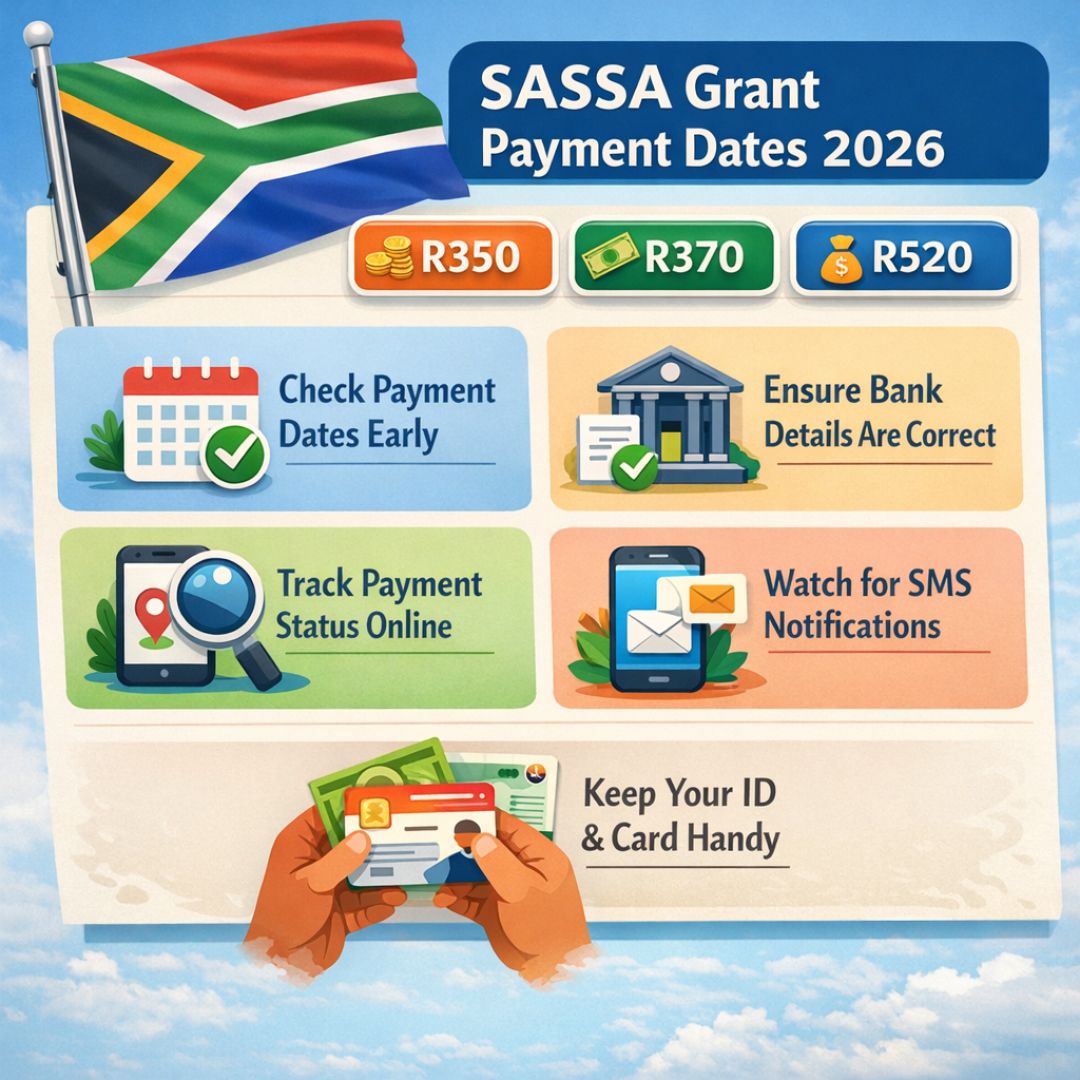
A large number of South Africans still depend on social grants as a key source of income in 2026. Many beneficiaries receiving the R350, R370, and R520 grants rely on this support to cover daily living expenses such as food, transport, and household essentials. The South African Social Security Agency (SASSA) continues to distribute these payments through its established systems. However, understanding when and how the payments are issued remains important for beneficiaries so they can avoid confusion and unnecessary stress when expecting their funds.
Some grants are issued on fixed monthly payment dates, while others follow a batch processing system. Because of this method, not every beneficiary receives their money on the same day, and payments may arrive at different times during the month.
Understanding the R350 and R370 SRD Grants in 2026
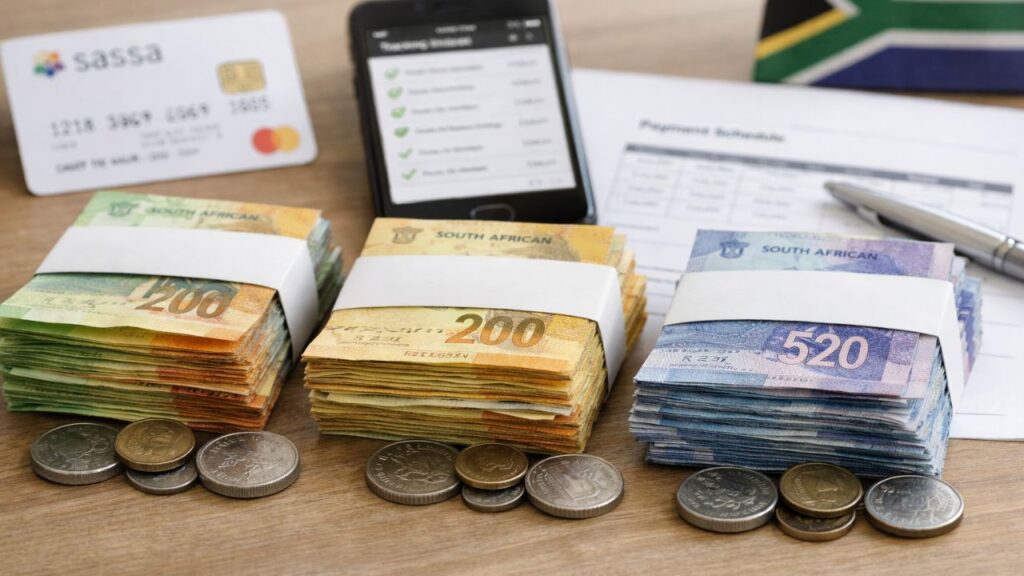
The Social Relief of Distress grant, commonly known as the R350 grant, has increased to R370 per month in 2026. Although many beneficiaries still refer to it by its original name, the approved payment amount is now R370 whenever the grant is processed. This grant is designed to assist unemployed adults who have no regular income and limited financial support.

Unlike permanent social grants, the SRD grant does not have a fixed payment day each month. SASSA requires time to complete eligibility verification and system checks, which means payments are distributed on different days depending on the processing schedule.

How SRD Grant Payment Dates Are Determined
Once all applications and verification checks have been completed, the SRD payment system releases funds through several payment batches. Most beneficiaries typically receive their R370 grant during the second half of the month, but only after their payment status has been verified and approved.
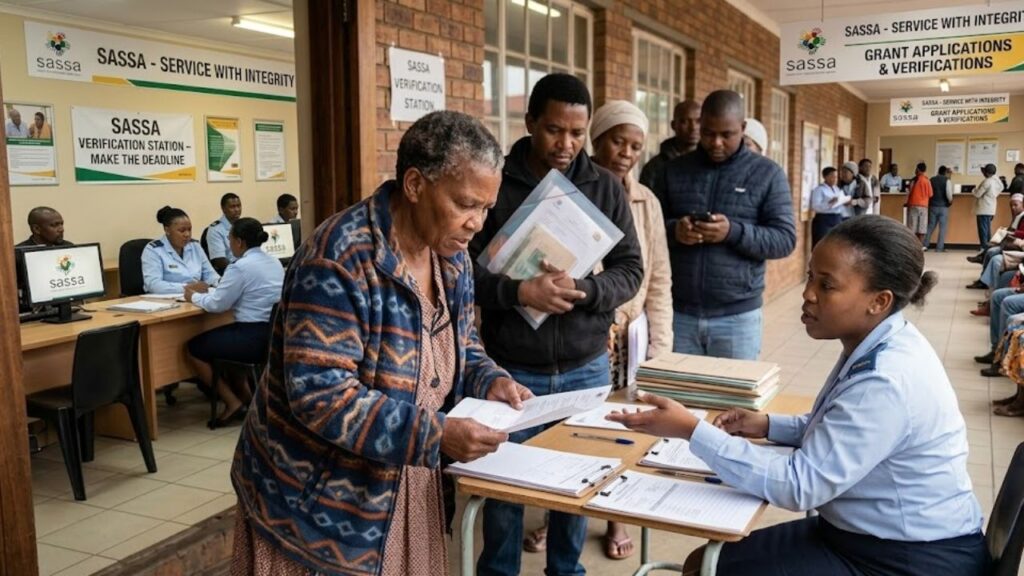
Several factors can affect how quickly payments are processed. These include identity verification, banking details confirmation, and whether the beneficiary’s personal information has recently been updated in the system. Because of this, SASSA advises recipients to regularly check their SRD status before expecting payment.
Details About the R520 Permanent Grant
The R520 grant is part of South Africa’s permanent social assistance programs, aimed at supporting individuals and families who are considered financially vulnerable. Unlike the SRD grant, this payment follows the official SASSA monthly payment schedule, which usually begins during the first week of each month.
Because these grants follow a consistent schedule, they allow beneficiaries to manage their monthly budgeting more easily. Recipients generally receive their funds through one of three approved methods: direct bank deposits, SASSA payment cards, or collection at authorized retail stores.

Ways to Check the Status of Your Grant Payment
Beneficiaries can check the progress of their SASSA grant payments using several official platforms provided by the agency. These include the SASSA online portal, USSD services, and WhatsApp support channels. To access payment information, individuals must provide their South African ID number along with the mobile number used during registration.
Checking payment status regularly is recommended so beneficiaries can quickly identify and resolve any issues or delays in the payment process.
Why Keeping Your Personal Information Updated Is Important
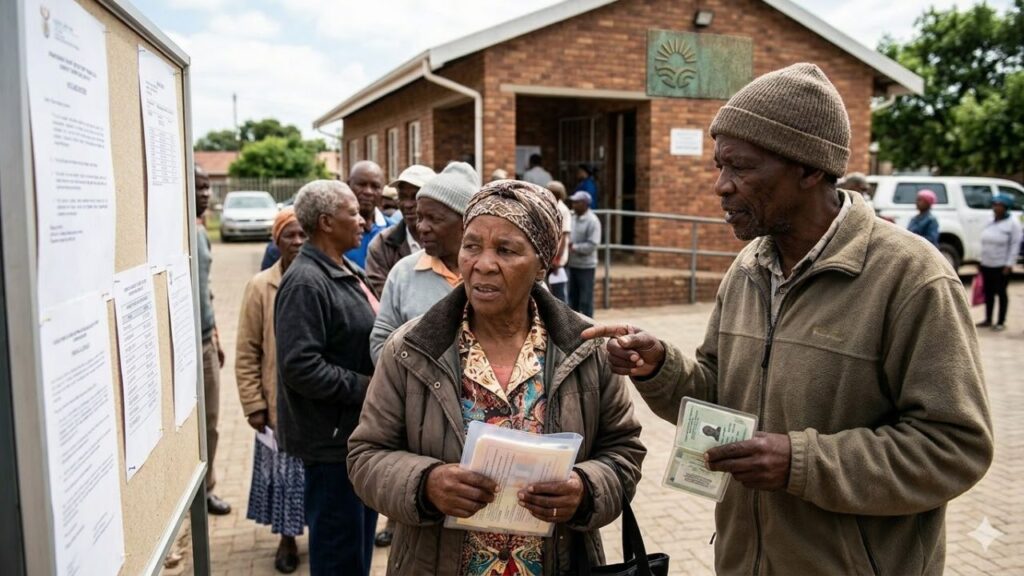
One of the most common reasons for delayed grant payments is incorrect or outdated personal or banking information. SASSA encourages beneficiaries to review their details regularly and update any changes as soon as possible.
Ensuring that banking details and personal records are accurate helps speed up the verification process and allows payments to be sent to the correct account without unnecessary delays.
Preparing for SASSA Payments Throughout 2026
While the SRD grant payment system may result in beneficiaries receiving their money later in the month, permanent grants are generally paid earlier according to the official schedule. Staying informed through official SASSA announcements and communication channels will help beneficiaries avoid confusion and ensure they continue receiving their social grant support smoothly throughout 2026.