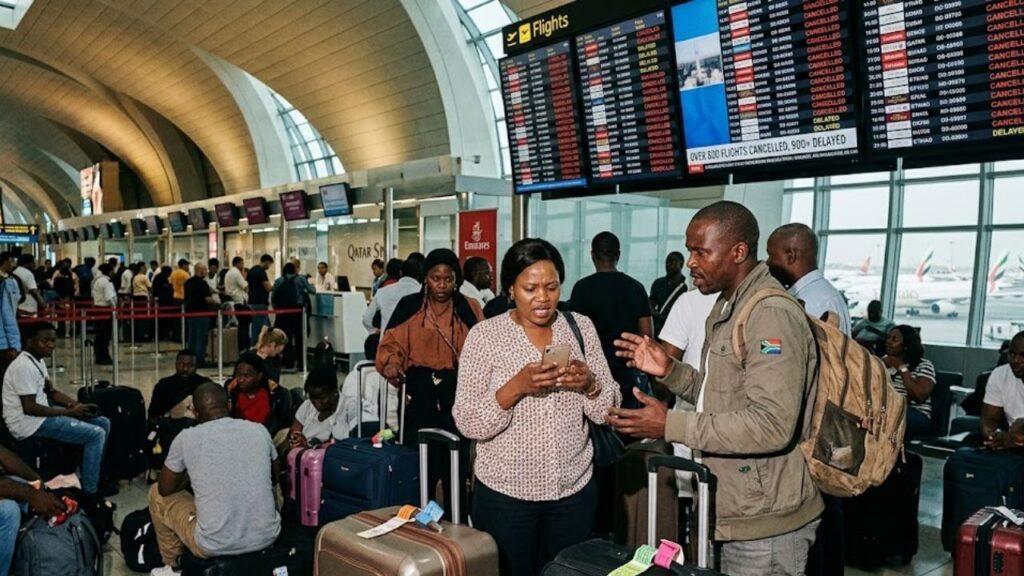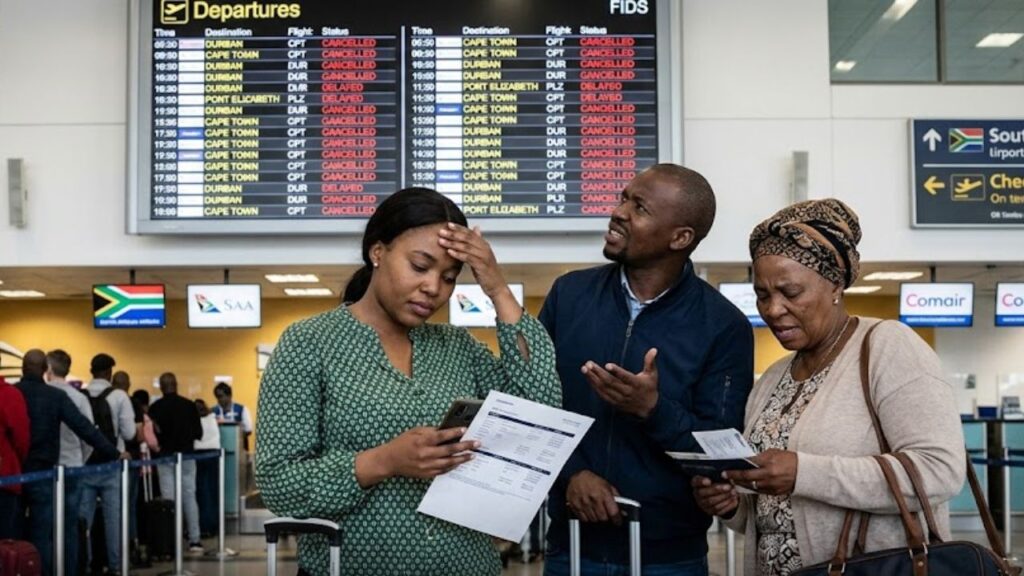
If you want to book flights in South Africa this this is bad news.
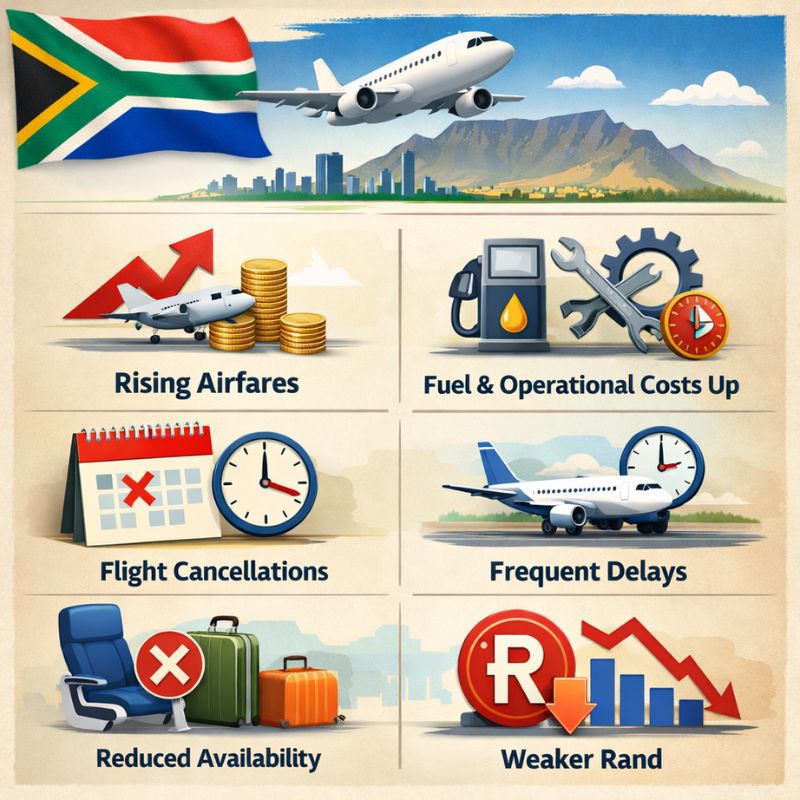
Due to a sharp rise in aviation fuel prices caused by the worsening situation in the Middle East, airlines are adding a temporary fuel surcharge to flights to South Africa.
FlySafair said in a statement that since the conflict started on March 28, airlines all over the world have been eating the costs of rising fuel prices instead of passing them on to passengers.
 SASSA Grant Relief Continues in March 2026: Higher Payments and Key Updates for Beneficiaries
FlySafair said that Jet A1 fuel prices at South African coastal airports have gone up by about 70% in just one week, so they have to pass on some of those costs to travelers.
Because of this, the airline will add a temporary fuel surcharge starting on March 12, 2026. The extra fee will only apply to flights that leave on or before May 12, 2026. This is because the airline thinks the problem may not last long.
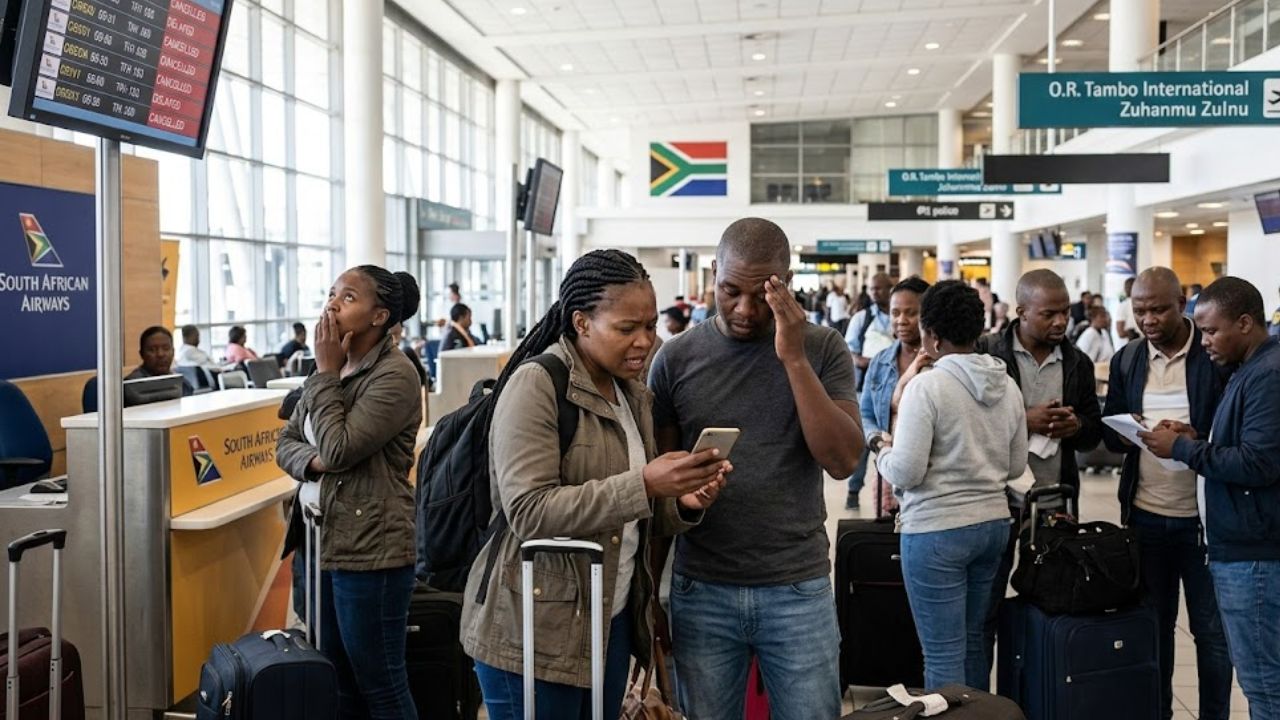
Kirby Gordon, FlySafair’s chief marketing officer, said, “We will be listing this temporary dynamic fuel surcharge on all tickets to make sure our customers know what they’re getting.”
The airline said that the price shock is mostly because of problems in the Middle East that have closed the Strait of Hormuz, a narrow shipping route that normally carries about 20% of the world’s oil.
Reports say that tanker traffic through the waterway has stopped, with estimates saying that shipments have dropped by 70% to 80%.
This disruption has caused the global oil markets to become very unstable. The price of Brent crude rose above $100 per barrel before dropping back to about $87. But the prices of aviation fuel have gone up even more.
Jet A1 fuel prices at South African coastal airports have gone up by about 70% in just one week, which has put a lot of financial stress on airlines.
Fuel costs make up 50% to 55% of FlySafair’s direct operating costs. The airline thinks that the spike is adding about R35,000 per flight hour to each Boeing 737-800 in its fleet at current prices.
What to look forward to
Kirby Gordon is the Chief Marketing Officer at FlySafair.
FlySafair said it has been able to cover these costs since the crisis started, but it warned that doing so forever would put its low-fare model at risk in the long run.
The airline said that, unlike many international airlines that regularly change ticket prices to reflect changes in fuel costs, it has historically not passed on changes in fuel prices directly to customers.

Gordon said, “The persistence and scale of these fuel costs have left us with no reasonable alternative.”
“We could have raised prices for everyone or hidden costs, but instead we chose to add a clearly marked temporary surcharge.”
He went on to say that this method lets passengers see exactly how much of their ticket price goes to the fuel shock and it also lets the airline take away the extra charge when prices settle down.
The extra charge will only apply to flights that leave on or before May 12, 2026, and it will be checked often as the price of jet fuel changes.
FlySafair said the price will change based on the length of the route to account for the fuel needed for each trip.
Gordon said, “Our teams are modeling fuel prices at each airport and looking at possible tankering strategies to make sure the surcharge is the lowest amount needed.”
“This isn’t a way to make money; it’s a way to keep services running while being honest with customers.”
FlySafair has confirmed that there will be no extra charge for passengers who have already booked flights before.
But tickets for flights leaving on or before May 12 will show the extra charge as a separate line item on tickets booked after March 12.
People who change their existing bookings to flights during that time may also have to pay the extra fee.
FlySafair said that it doesn’t hedge its fuel purchases, which means it buys fuel at the prices that are currently available on the market. This makes it vulnerable to sudden price increases, like the one that is happening right now.